

Understanding Common Cake Ingredients


Baking is a fun, creative endeavor, but first and foremost, it is a science. In order to bake deliciously soft, flavorful cakes and cupcakes, it helps to understand the most common cake ingredients. Learn about what role they play in the recipe and what substitutions are available.
This page contains affiliate links which means I may earn a commission as an Amazon Associate (or other affiliate program) from qualifying purchases. I only recommend products that I use and trust.
Common Cake Ingredients
There are many different cake and cupcake recipes out in the world, including the many on my own website. While they each have different ingredients and quantities, you’ll soon realize that there are certain ingredients that are found in nearly all of these cake recipes.

We’re going to talk about each one so that you can understand your cake and cupcake recipes even better. If there’s an ingredient that I did not cover in this list, leave a comment at the bottom of the page and I’ll get back to you!

All Purpose Flour & Cake Flour
The main difference between all purpose flour (aka AP Flour) and cake flour is the protein content. More protein means more gluten. In cakes and cupcakes you don’t want to develop a lot of gluten so that you end up with a soft, light crumb.

My recipes tend to use mostly all purpose flour with a bit of cake flour. Cake flour is more expensive, so I find this combo gives me the most bang for my buck. Cakes made with just cake flour can sometimes be too delicate.
Substitutes: If you can’t find cake flour, try pastry flour (similar protein amounts), or just use all purpose flour for the whole recipe. While the cake might not be quite as soft, the difference isn’t a problem for most people.
Dried Buttermilk
Usually cakes have milk, such as buttermilk or whole milk, as the liquid ingredient. I have switched to using dried buttermilk and water. Buttermilk is acidic which helps produce a tender cake. I buy mine from King Arthur Baking, but you can usually find dried buttermilk in the baking aisle of the grocery store.

Substitutions: If you can’t find dried buttermilk, replace it and the water in my recipes with regular buttermilk or whole milk (use the same amount as the water in the recipe). Buttermilk brings the acidity and whole milk adds a touch of richness.
Baking Powder & Baking Soda
These are both chemical leaveners. Baking soda (aka bicarbonate of soda) begins to work as soon as liquid is added, though it does require an acid to fully activate it. Baking powder contains acid to help begin the reaction, but it needs heat to fully activate.

Usually my butter based cakes use baking powder and my oil based cakes use baking soda. Unfortunately, you cannot swap one for the other. They require different quantities and produce different results.
Related Reading: FREE Buttercream Course for Beginners
Salt
In baking, salt is an essential ingredient. While salt may bring to mind savory foods, the right amount is just as important in sweets because it opens up the taste buds. Cakes and cupcakes don’t tend to have a lot, so this is not the time to try to cut it out of a recipe.
Substitutions: Unless otherwise stated, you should be using table salt. Other types of salt, like kosher or sea salt, have different sized grains and will affect the overall salinity of the bake. If you do use a different salt, you may need to tweak the amount.
Unsalted Butter
In baking, I always use unsalted butter. Different manufacturers add different amounts of salt, so by using unsalted butter and adding in our own salt, we can ensure consistency in our bakes. For cakes using the creaming method, you’ll want the butter to be soft and pliable, but it shouldn’t be soupy or overly soft.
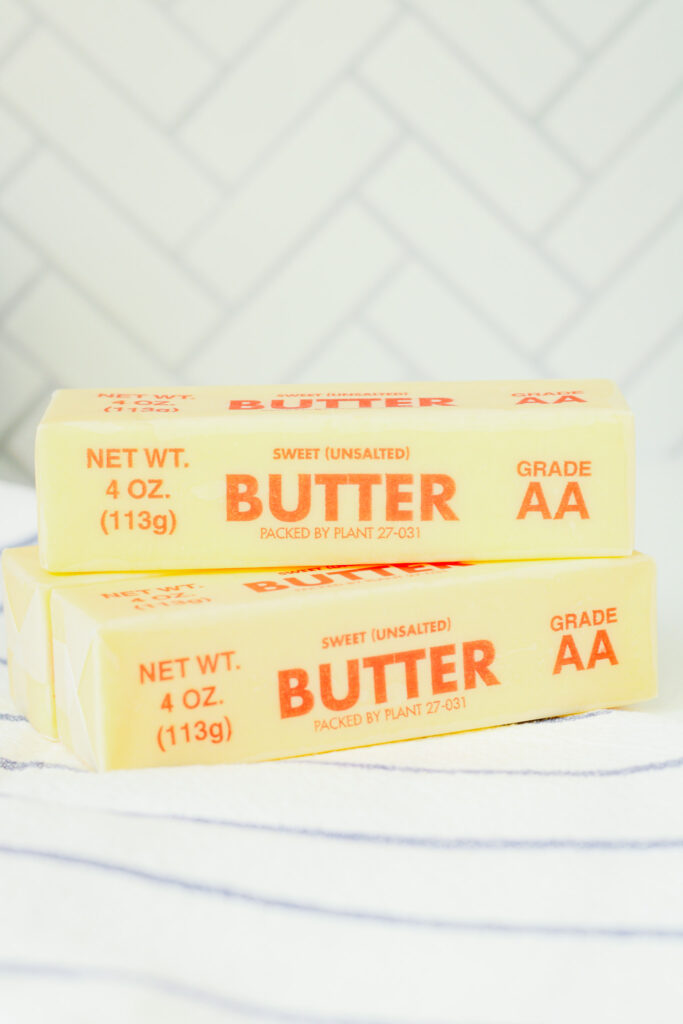
Substitutions: Unsalted butter is a fairly standard ingredient in all of baking. If you’d like to use a vegan stick butter (not a vegan margarine), you can experiment with this. Vegan butters do not bake or behave the same as cow’s butter, so it may take a few adjustments over time.
Sugar
White granulated sugar helps aerate and lighten the butter in the creaming method. The crystals cut through the fat and trap air. This lends to the rise of the bake. Sugar is also a natural humectant, which means it draws in moisture creating a moist cake. While you could experiment with reducing the sugar amount, you shouldn’t take out much.

Substitutions: In general, you’ll want to stick to white sugar. However, using brown sugar creates a new flavor profile. Brown sugar does bring in more moisture, so I would suggest a mix of both white and brown sugars, like I did in my salted caramel cake.
Cake Enhancer
My secret ingredient to a perfect crumb and soft texture. It is basically a blend of starch, fatty acids, and diglycerides. This powder helps your butter and eggs fully emulsify creating a silky smooth batter which produces a soft cake. It also acts as a preservative which creates a moist cake that stays moist for longer.

Cake enhancer is a totally optional ingredient, but it has completely changed my cakes and cupcakes. The combination of this product and the dried buttermilk has absolutely elevated my bakes.
Substitutions: I buy my cake enhancer from King Arthur Baking, though it is sometimes available on Amazon. This ingredient is optional and I am not aware of any substitution.
Vanilla
Any vanilla will work just fine in your cakes and cupcakes. Baking (well, heat) can partially burn off some of the vanilla flavor, so using your best vanilla could be a bit of a waste. Use whichever vanilla you have on hand.

Substitutions: Vanilla bean paste is an equal swap for vanilla extract, though I do prefer to use this higher quality ingredient in the buttercream instead.
Related Reading: 9 Cake Tools Every Home Baker Needs
Eggs
Unless otherwise stated, you’ll want to use large eggs. If using farm fresh eggs, or eggs from a friend’s chickens (so pretty), compare them to store bought large eggs to make sure they are about the same size. If they run very small, you may need to add an extra one.
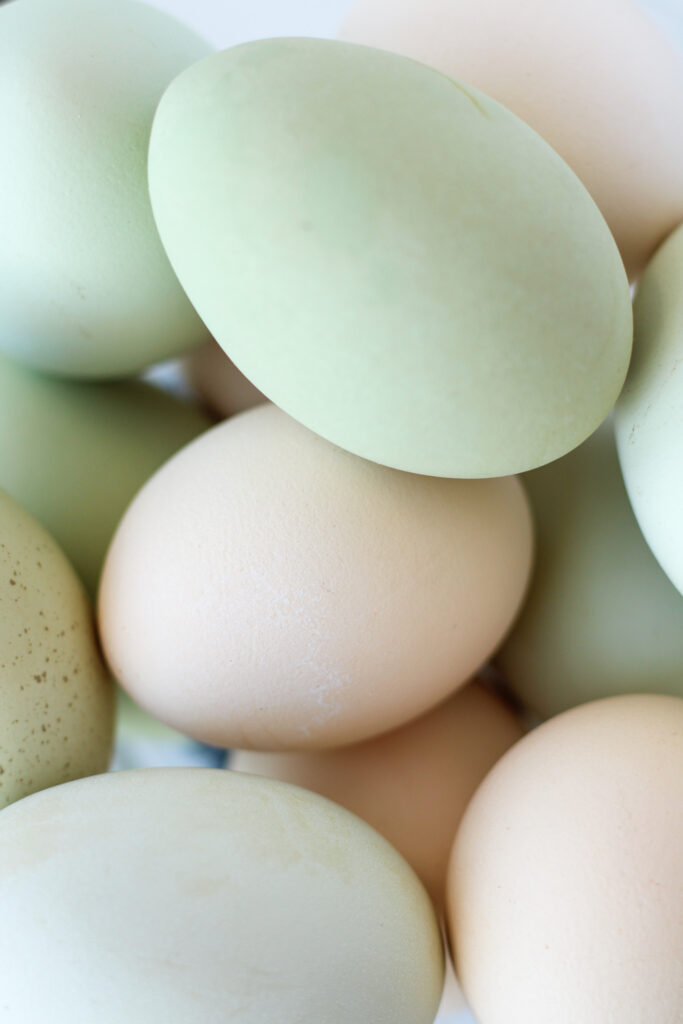
In cake and cupcake recipes, the eggs add liquid and help the bake rise in the oven. Too many eggs will create a dense, eggy cake, while too few eggs will make a dry, crumbly cake.
Substitutions: While there are egg substitutes available in most grocery stores, I have never tried swapping out real eggs for the egg replacement.
Canola Oil
Oil helps create moist cakes and cupcakes that are also nice and soft. In my butter based cakes, I still like to use some canola oil so that they are soft, even when a bit cold.
Substitutions: Any neutral oil, such as vegetable oil or grapeseed oil will do fine. Unless specifically called for, avoid oils with strong flavors like olive oil or sesame oil.
Cocoa Powder
Almost all chocolate cakes will call for cocoa powder. The two most common varieties are natural cocoa (lighter) and Dutch process cocoa (darker). Natural cocoa is acidic while Dutch cocoa is alkalized, which means they interact differently with chemical leaveners.
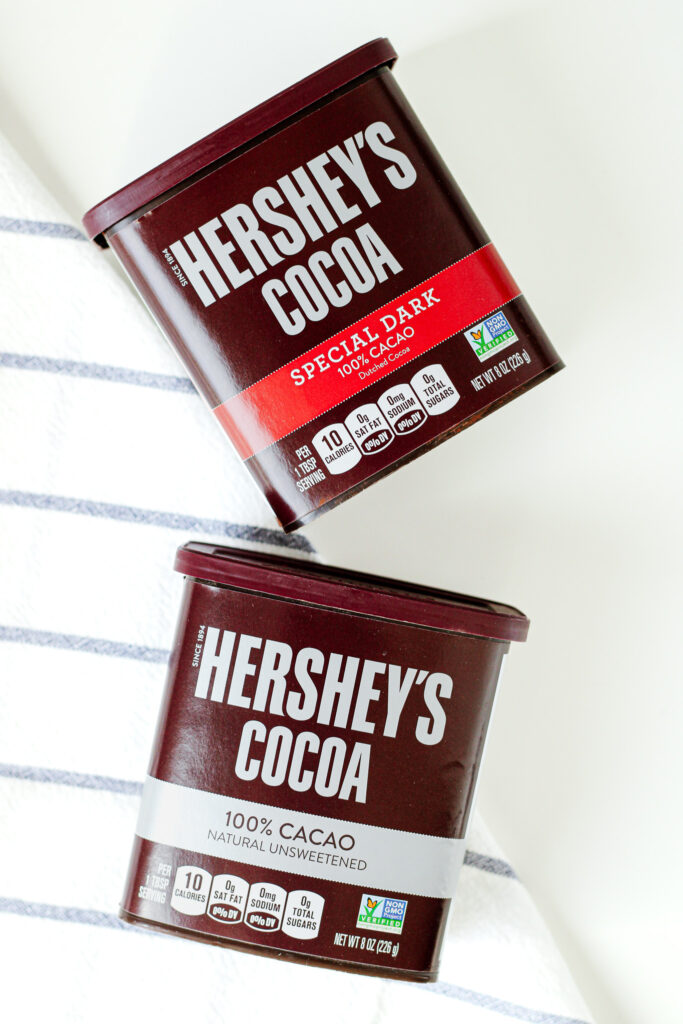
Substitutions: If your recipe uses baking soda, it needs an acid. You must use natural cocoa in this case if your recipe has no other acids in it. My recipes do contain additional acids (vinegar or buttermilk), so I’ve used both types interchangeably. Ultimately though, it’s best to use whichever cocoa the recipe calls for.
Happy Baking!
Hopefully this deep dive into common cake ingredients has helped you learn more about how cake and cupcake recipes work. Knowing the ins and outs of your ingredients will not only make you a better baker, but it will also give you the confidence to experiment and develop your own recipes.
Make sure to pin this post to your baking Pinterest board so you can refer back to it in the future! And while you’re at it, pop on over to the Bakes & Blunders Pinterest page and follow for more tips, tutorials, and recipes.
If you found this post helpful, you may be interested in grabbing your own copy of my ingredient glossary. It covers many of these ingredients and a few others that are common to other bakes. Once you subscribe to my email list, you’ll get access to the glossary and a dozen other freebies in my Baking Resource Library.

Colleen
Hi there! I’m Colleen, a novice baker with a passion for learning and improving my bakes… and blunders. On Bakes and Blunders, you can find all sorts of tasty recipes that range in difficulty, but most importantly, I’ll try to explain the reason behind important steps. If you know why a recipe works, you can tweak and adapt it to suit your unique tastes, and you’ll be able to reliably produce some very delicious treats. If you love baking and want to expand and grow your skills, or if you are a casual baker and just need some pointers, my blog is right up your alley! Join me on my baking journey and we’ll learn how to make more impressive recipes together.


You May Also Like

Classic French Macarons: Italian Method
Chocolate and Honey Cupcakes
